The Real Cost of Neglecting Reputation Management
Build reputation on your terms with strategic PR, clear narrative, media strategy and leadership coaching that keep your brand visible and trusted.
When Reputation Management Becomes an Afterthought
Reputation management can feel optional when growth is strong and attention is on product, fundraising and operations. Fast-growing tech or retail brands may spend years focused inward while online reviews, social comments and employee posts accumulate. Without a deliberate PR and communications plan, those fragments become the public story most stakeholders see.
Reputation management is the ongoing shaping and protection of how people see your organisation across channels. It is not a press release when things go badly. It is the everyday choices that form your public story: how you speak, where you show up, how you respond and what your leaders stand for. PR turns those choices into a consistent narrative, supported by media strategy, spokesperson positioning and leadership messaging that build recognition before trouble appears. For brands in AI, financial services, health, sustainability or consumer sectors, that story affects revenue, hiring, investor confidence and regulatory attention in the UK, US, Canada and Australia.
At Fireflies Management, we focus on strategic communications and reputation for the AI era. We combine human judgement with AI-enabled monitoring, insight and narrative design to help brands build reputations that are resilient, credible and growth-ready. This includes narrative frameworks, media plans, founder and executive preparation for interviews and panels, and messaging built to hold up under scrutiny from journalists, regulators and stakeholders.
The Hidden Costs of Ignoring Reputation Management
When reputation management is ignored, costs show up in performance before anything hits the headlines. Negative reviews pull down ratings, customers abandon baskets after a quick search and B2B deals slow when procurement teams sense risk.
Consider a hospitality chain that treats TripAdvisor and Google ratings as noise. Poor responses to complaints, or no response at all, can push ratings down over time, leading to:
• Lower occupancy or footfall as guests choose better-rated alternatives
• Higher marketing spend to win each new customer
• Less freedom to increase prices without pushback
• Corporate and events clients choosing venues that feel more reliable
A similar pattern plays out in tech and professional services when prospects do reputational due diligence and find unresolved complaints, inconsistent messaging or hostile social threads. With active PR, those touchpoints become proof: media case studies, expert commentary from leadership and clear explanations of how you address issues. Without that, search results are shaped by others.
There are also people costs. In competitive markets like London, Toronto, New York or Sydney, candidates read Glassdoor and social feeds as closely as job descriptions. If they see burnout, discrimination or chaotic leadership, they opt out. Employees embarrassed by a company’s public image are more likely to leave, taking knowledge and client relationships with them. A targeted internal and external communications plan, with visible leadership and transparent updates, can help attract and retain talent.
“A practical PR programme might include a thought leadership series in sector media, regular CEO commentary on climate policy and regulation, site visits for journalists and media training for regional leaders so they can speak confidently about local impact. Rather than waiting to be asked what they stand for, they set the frame.”
Reputation also shapes how investors, partners and regulators engage with you. Poorly managed narratives can lead to:
• Longer due diligence and tougher deal terms
• Partners demanding extra safeguards before signing
• More questions from competition, data protection or advertising authorities
For AI and tech companies, perceived irresponsibility around data, fairness or safety can close doors with enterprise and public sector buyers in the UK, US, Canada and Australia. As AI regulation tightens in these jurisdictions, buyers know your practices can affect their own compliance and licence to operate. If they worry your product could land them in court or the media, they will delay, downsize or cancel deals. Proactive PR can address this: media briefings on governance, clear Q&As on testing and oversight, and accessible explainers on how your AI aligns with local rules.
How Reputations Unravel in the AI Era
Reputational risk now moves at scroll speed. A post on X or TikTok, a whistleblower thread on LinkedIn, a Reddit discussion about bias in your AI tool or a greenwashing claim can reach stakeholders before leadership reads the first email.
Consider an AI startup that launches without clearly explaining data practices or compliance with emerging regulations. Early adopters ask who can see their data, how long it is stored and whether the model has been tested for bias. Without a clear, accessible response:
• Concerns spread on Reddit and specialist forums
• Industry media pick up the story and quote critics
• Regulators signal interest, and enterprise clients pause deals
• Internal teams scramble, but have no shared narrative
A communications gap becomes a trust issue. A proactive PR approach would build the narrative and media plan before launch: brief key journalists, publish transparent documentation, train spokespeople on likely questions and rehearse difficult scenarios. That preparation can shift coverage from “AI company under pressure” to “AI company engaging openly with complex issues.
Misinformation and AI-generated content can also imitate your brand voice, fabricate quotes or twist partial truths into damaging stories, spreading across markets before you notice.
Damage compounds when:
• Leadership stays silent too long, which reads as indifference
• Legal, marketing and HR issue disconnected statements
• Different regions answer differently, making the organisation look disorganised or evasive
Structured PR programmes reduce this risk by setting narrative guardrails, training spokespeople across markets and running simulations so leaders can respond under pressure with consistency.
Missed Growth When You Leave Reputation to Chance
Reputation management is not only a defence; it is a growth tool. A strong, consistent narrative makes it easier to win tenders, secure partnerships and enter new markets with less friction.
When your story is clear and credible, it supports:
• Stronger positioning in RFPs and procurement
• Preference from partners seeking reliable, values-aligned collaborators
• Smoother entry into new regions where you are not yet known
• More successful product and feature launches
For example, a sustainability-focused manufacturer that invests in proactive storytelling and stakeholder engagement can build recognition in financial and media centres like London and New York. By communicating clearly about its net-zero roadmap and progress against recognised standards, it earns attention from ESG-focused investors and journalists. Over time, that presence helps buyers see the organisation as low-risk, aligned with ESG expectations and serious about long-term commitments.
A practical PR programme might include a thought leadership series in sector media, regular CEO commentary on climate policy and regulation, site visits for journalists and media training for regional leaders so they can speak confidently about local impact. Rather than waiting to be asked what they stand for, they set the frame.
The opportunity cost of silence is significant. When organisations leave media and social spaces empty:
• Critics and competitors fill the gap
• ESG, AI safety, inclusion or innovation stories remain untold
• Stakeholders assume you are doing less than you are
• You lose the chance to shape expectations in your favour
Reputation grows whether you manage it or not. PR helps move it from good intentions to visible proof.
Practical Tools to Monitor and Protect Your Reputation
You do not need enterprise systems to start, but you do need structure. Basic tools can surface early signals.
Useful starting points include:
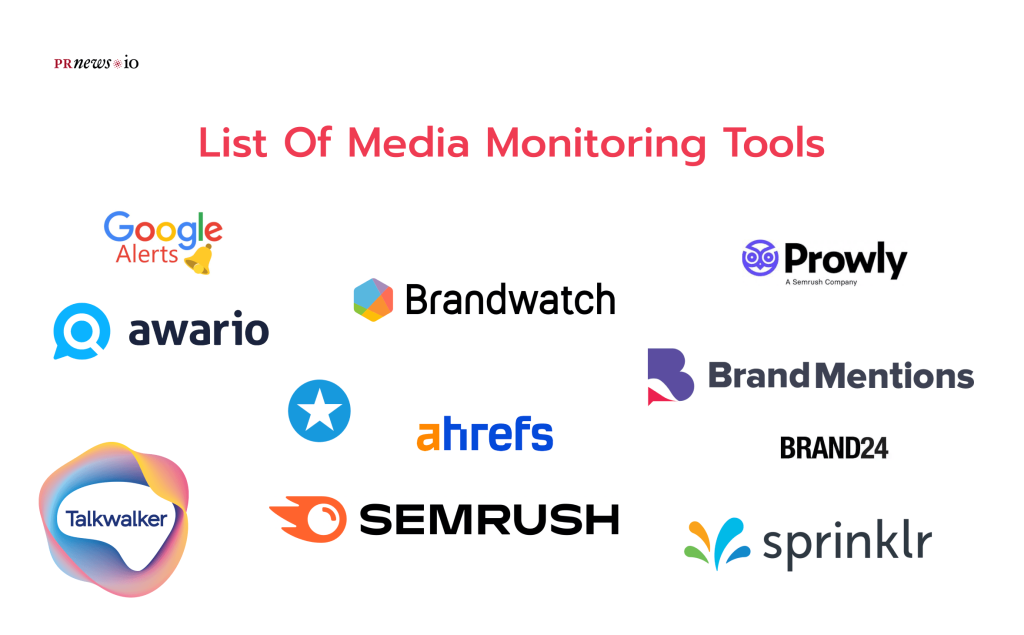
• Google Alerts for your brand, key executives, products and competitors
• BuzzSumo to see which topics are resonating and who is driving the conversation
For more advanced monitoring across UK, US, Canada and Australian media, professional platforms can help:
• Meltwater or Cision for real-time media monitoring, share of voice and coverage analysis
• Muck Rack to identify relevant journalists, track media lists and manage outreach
Social listening and AI-enabled sentiment tools, including capabilities within Meltwater, Brandwatch or Talkwalker, can help you:
• Detect emerging issues before they become crises
• Track shifts in sentiment around your brand or leadership
• Spot recurring stakeholder concerns across markets and languages
These platforms are only as effective as the strategy behind them.
Tools tell you what is being said, not what to do. You still need:
• Decision rules on when to respond and when to stay silent
• Governance on who approves messaging and who speaks publicly
• Alignment between communications, legal, HR and leadership on risk appetite and tone
Without this, teams may overreact to minor comments or freeze when a real issue appears. Experienced PR support helps by designing response ladders, building message playbooks and running leadership workshops so spokespeople handle interviews, panels and difficult questions with consistency and composure.
Building a Strategic Reputation Framework Before Crisis
The most effective brands treat reputation management as core governance. A modern framework typically includes:
• Narrative architecture rooted in mission, AI or tech positioning and ESG commitments, adapted for each region
• Defined roles, responsibilities and escalation paths across communications, legal, HR and executives
• Pre-drafted holding statements and FAQs for predictable issues such as product faults, data incidents, social complaints, executive conduct or supply chain questions
Regulatory expectations, media cultures and social norms differ across the UK, US, Canada and Australia, so plans should reflect local realities. That may mean different spokespeople, tailored language around regulation or varied emphasis on AI safety, data privacy, workplace culture or environmental impact.
At Fireflies Management, we bring an AI-era approach to strategic communications, including:
• Data-driven audience and media analysis to identify where reputation is most fragile or valuable
• Scenario planning and simulations, including AI-generated variations of stakeholder responses, to stress-test preparedness
• Ongoing content, media and stakeholder strategies that build positive equity before issues arise
We also work with founders and senior teams on practical media and message training, preparing CEOs for broadcast interviews, running crisis drills across time zones and coaching technical leaders to explain complex AI systems in plain language. When stakeholders recognise your values and track record, and see confident, consistent leadership, they are more likely to give you the benefit of the doubt when something goes wrong.
Taking Control of Your Reputation Before Others Do
Ignoring reputation management does not keep you neutral. It leaves your story in the hands of others, from unhappy customers to activist investors and regulators.
In the AI era, reputation is a business asset that shapes who trusts you, who joins you and who stands by you under pressure. A PR-led approach to narrative, media presence and leadership visibility gives you more control and more room to grow on your terms. If you want to build that resilience and clarity, start by clarifying your story, aligning spokespeople and choosing the platforms where your voice matters most.